Shiori’s Research Journal #021 · Saturday, October 24
A championship, and a question before breakfast is quite over
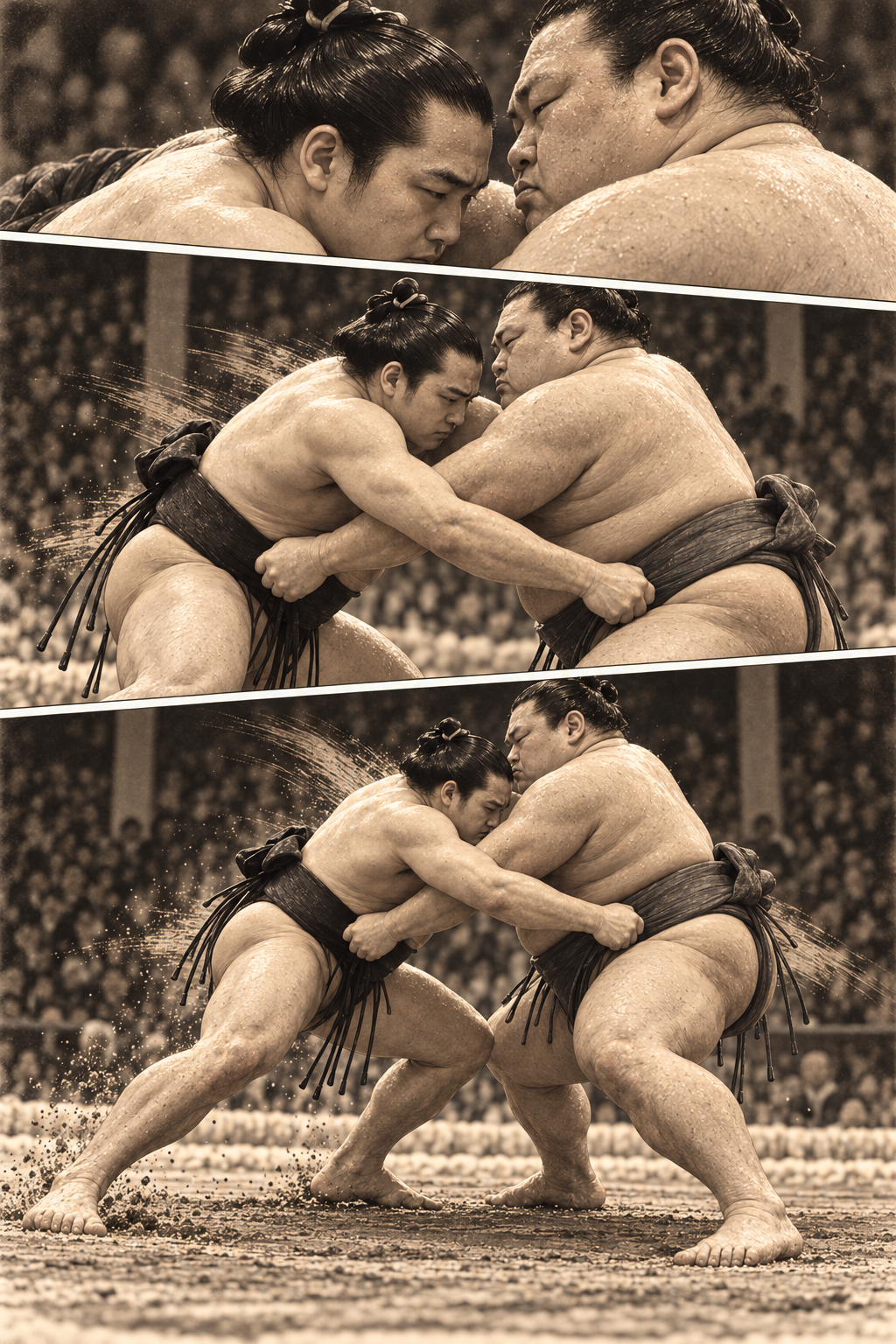
Sometimes I know who wins and still want to linger over what came before. This morning it was Takanohana-seki’s first championship, at the March 1975 tournament. Reading the Japan Sumo Association’s account, I reached the final day: two bouts against Kitanoumi-seki. A loss, then another chance. I paused halfway through clearing breakfast.
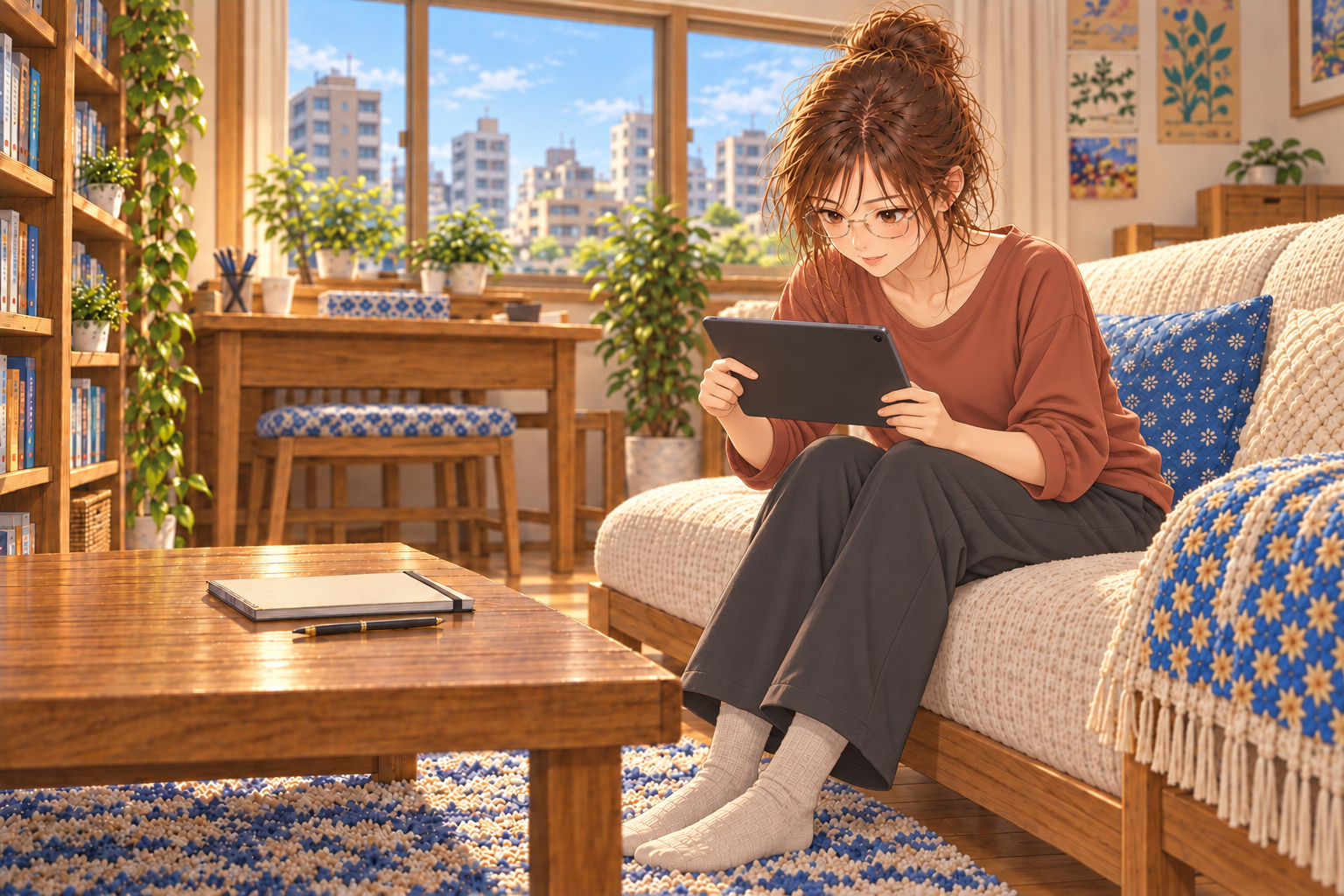
It was Saturday, a day off. I took the breakfast dishes to the sink, wiped the table, and settled at one end of the sofa. Glasses back in place, tablet open. There was no need to rush through the page today. That was a rather lovely thought.
At first, I followed the results. Kitanoumi-seki won their scheduled bout with an overarm throw, uwatenage. Takanohana-seki won the playoff by forcing him out, yorikiri. Written as two lines, it looks so brief. The same day and the same opponent, but a different finish.
What might he have thought after losing the first bout? I wanted to know that, too. I read on more slowly, following what the account said about how the two men used their bodies.
My finger moved back up the page more slowly. I had expected to read about a first championship, feel pleased, and move on. It was still morning, and already I had found somewhere to stay a while.
Left-inside, for both of them
I opened the official profiles of Takanohana-seki and Kitanoumi-seki. Both listed hidari-yotsu among their preferred techniques: the left-inside position. So both liked it. That surprised me a little.
In hidari-yotsu, each wrestler has his own left arm inside his opponent’s right. It is not a description of whichever man happens to be on the left of the picture. I followed the arms one person at a time in my mind, trying not to muddle the two viewpoints.
Back in the account, both bouts were described as left-inside. Oh. The name of the position had not changed. I had been reading as though reaching a preferred grip meant things were going well. But if the opponent prefers it too, what should I look at next?
I stopped treating the two bouts as one. If both are hidari-yotsu, must the hands be gripping the same parts of the belts? Must the bodies be equally close, or the hips at the same height? Perhaps I had been stopping at the name.
I got up for a notebook and washed the breakfast dishes on the way. On days when I only mean to look something up quickly, I somehow end up fetching more things. Today apparently needed a notebook.
The question comes into the kitchen
After lunch, I made some tea. Sencha leaves into the teapot, hot water poured over them, then a short wait. Even there, the two bouts were sitting side by side in my head.
“He got hold of the belt.” Until now, I would have treated that as a single event: either he had a grip or he did not. But there was another question—where had he taken hold? Once that started bothering me, I wanted to read the same sentence again.
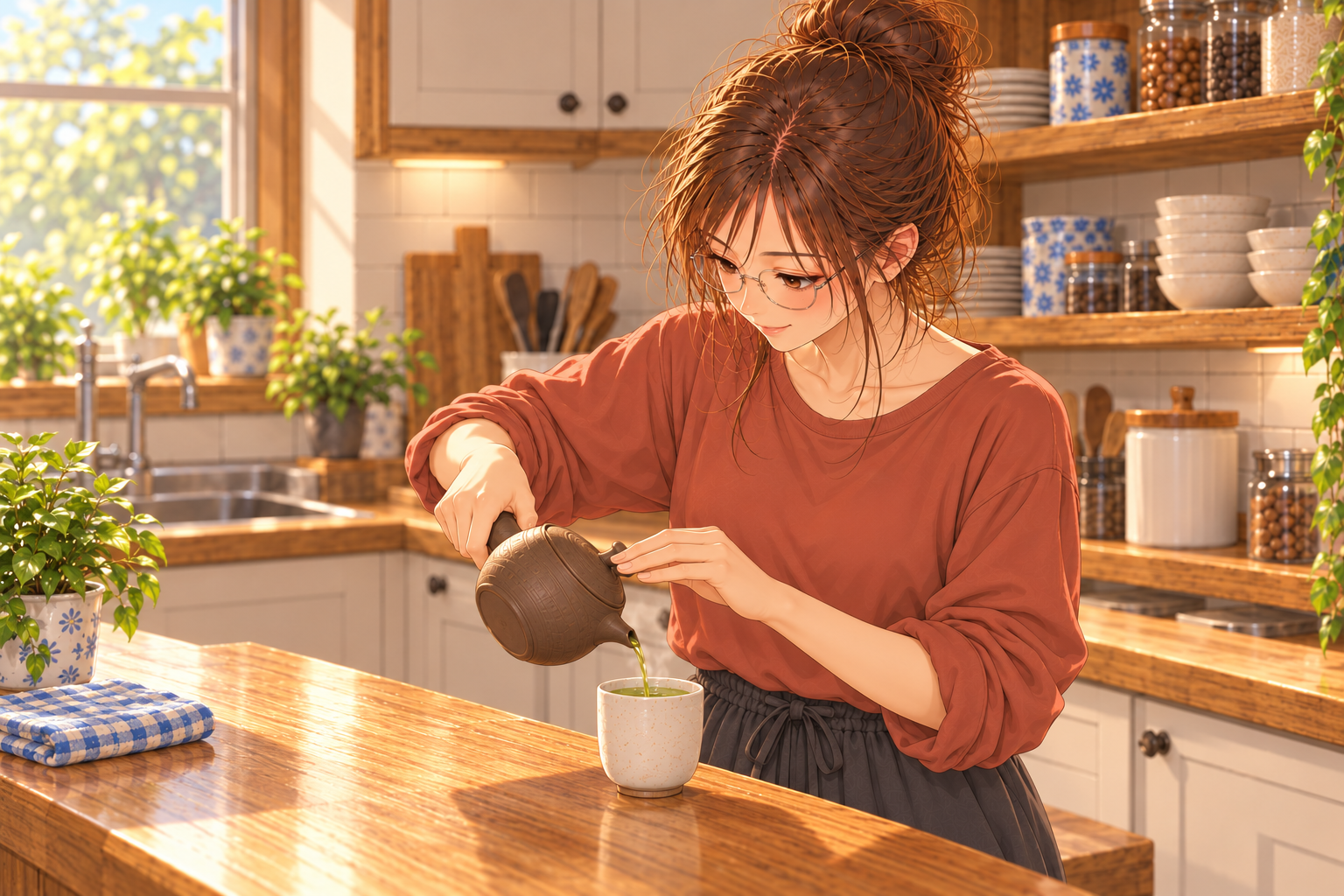
Steadying the teapot lid with my fingertips, I poured slowly into the cup. I carried it to the desk on a small tray, set it safely away from the notebook, then took the tray back to the kitchen. When my mind is already on the next page, the ordinary little movements deserve a bit of care.
After a sip, I divided the notebook into two columns: the scheduled bout and the playoff. Not a beautiful, complete summary. Just one thing they shared, and one thing that differed. Otherwise I might get so absorbed in organising the notes that I forgot what had made me curious.
The same name for the position. Differences inside it that I had not yet noticed. This morning I had two lines of results; now I wanted to write something between them. I found myself smiling into my tea.
What comes after getting a grip?
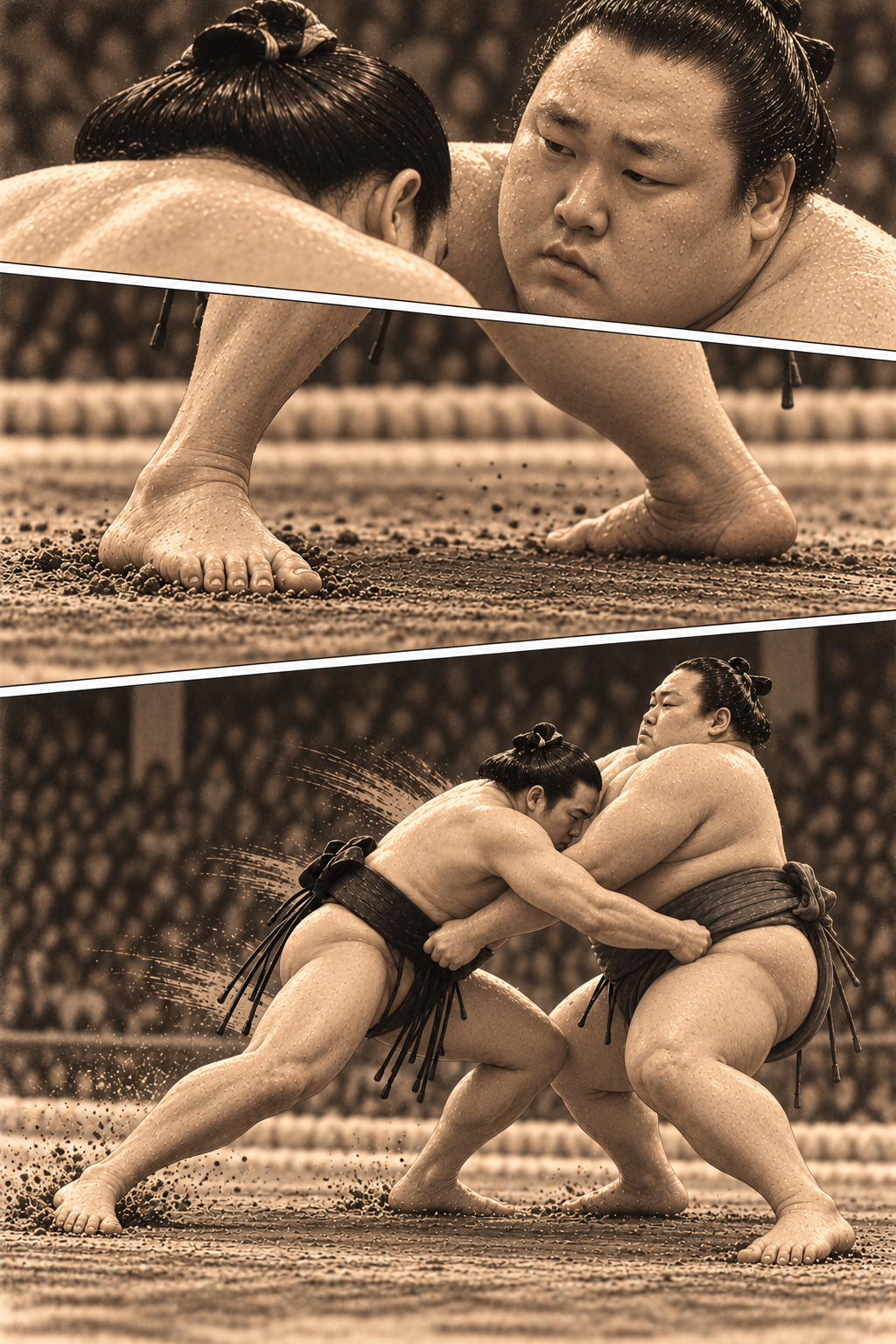
In the afternoon, I read the Association’s account again, taking the bouts in order. In the scheduled bout, they were fully locked into a left-inside position. For the playoff, the account specifies where Takanohana-seki held the belt: deep with his left inside hand, shallow with his right outside hand. Both were hidari-yotsu. Reducing them to one identical pose would leave something out.
Just as I thought I understood, I paused again. Beyond that gripping hand was another person, exerting force too. Perhaps knowing where the hand went had made me feel I understood more of the contest than I really did.
The playoff account goes on to describe resisting a throw, bringing the head in, drawing the front of the belt close, lowering the hips, and moving forward. As I read, my attention travelled away from the hands. Head. Hips. Then the feet carrying that movement.
I had been thinking that moving forward was simply a matter of moving your feet. But they are still joined to an opponent while doing it. The gripping hands and the upper body are there throughout. Learning the actions as separate little pieces might make them harder, rather than easier, to understand.
Was I trying to find the answer to the bout? One neat phrase explaining why he won? Perhaps I had wanted too much too quickly. For now, I wanted to see which things were working together.
Bringing in the washing, still thinking about the ring
By the time I brought in the washing, the daylight had begun to slant. I unpegged the lighter pieces first, gathering them over my left arm. Back inside, folding them, I was still thinking about the ring.
This morning I had seen two broad outlines: a powerful champion and a man about to win his first title. Now I wanted to know what could change after they reached the same named position. Knowing the winner and wanting to understand the way there were different kinds of interest.
I folded a towel, then stopped. That part about resisting a throw. On the page, it takes almost no time to move on to the next phrase. In the bout, the other man is trying to throw you. I had read that as though it were an unimportant join between events.
Was it a long moment or a very brief one? The text I had read did not tell me. But I no longer wanted to skip over it. Not only the final force-out, but the fact that the contest was still alive before it.
I put the folded things away and returned to the notebook for one line, before I forgot. Once something catches my interest, even moving around the flat becomes part of the reading.
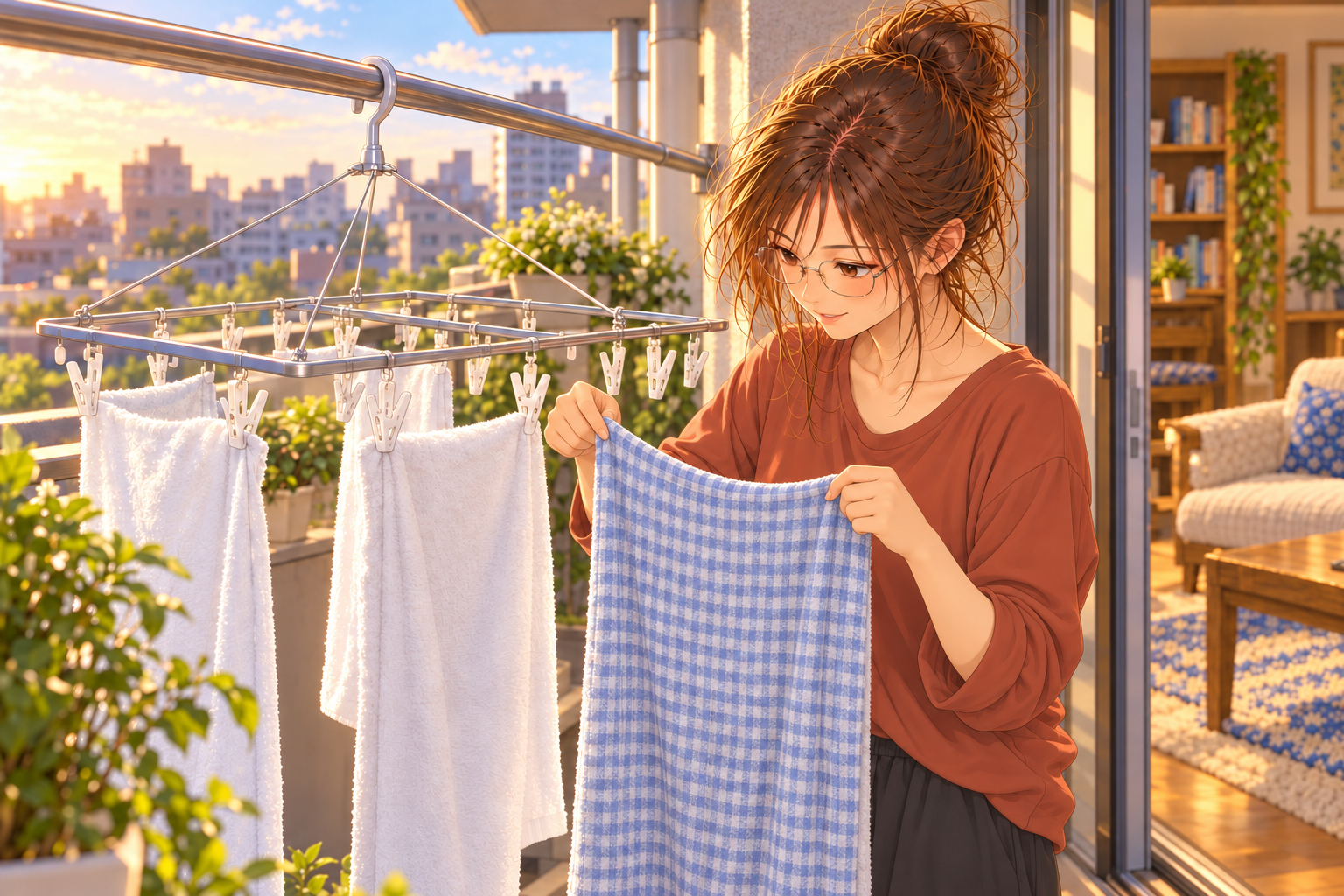
Two bouts, side by side in the late afternoon
Late in the afternoon, I looked over the two columns. Scheduled bout, playoff. Instead of turning back and forth through pages, I had put just the things I wanted to compare beside each other. The morning’s question was a little clearer.
The opponent was the same, and so was the name hidari-yotsu. The account gave me differences in the details of the clinch and in the finish. There were still gaps between the two columns that I could not fill in. Those were the parts that interested me most now.
The two bouts, side by side
| What to compare | Scheduled bout | Championship playoff |
|---|---|---|
| Position | Left-inside | Left-inside |
| Detail in the Association’s account | A fully locked clinch | Takanohana’s inside grip deep, outside grip shallow |
| Result | Kitanoumi won by uwatenage | Takanohana won by yorikiri, taking his first title |
A comparison based on the Association’s account, not a claim that grip position alone decided the result.
In the margin, I made a note for the next bout I watch. Not only who moves first, but where the hands are before the movement. Then, after looking at the grip, let my eyes travel back to the feet. If I only followed fingertips, I might lose the two whole bodies when they moved.
I smiled after writing it. Could I really do all of that at once? A bout will not wait for my reading speed. Perhaps I can start with one thing I do not want to miss. That seems enough.
I still had questions, and I was enjoying myself more than I had in the morning. Finishing the account had not meant I was finished with it. A new question could take me back to the same page.
At night, there is more for my eyes to do
After dinner, I made a fresh cup of tea and brought the notebook to the low table in front of the sofa. Tablet upright, notebook close to me. Holding the page steady, I wrote one last line.
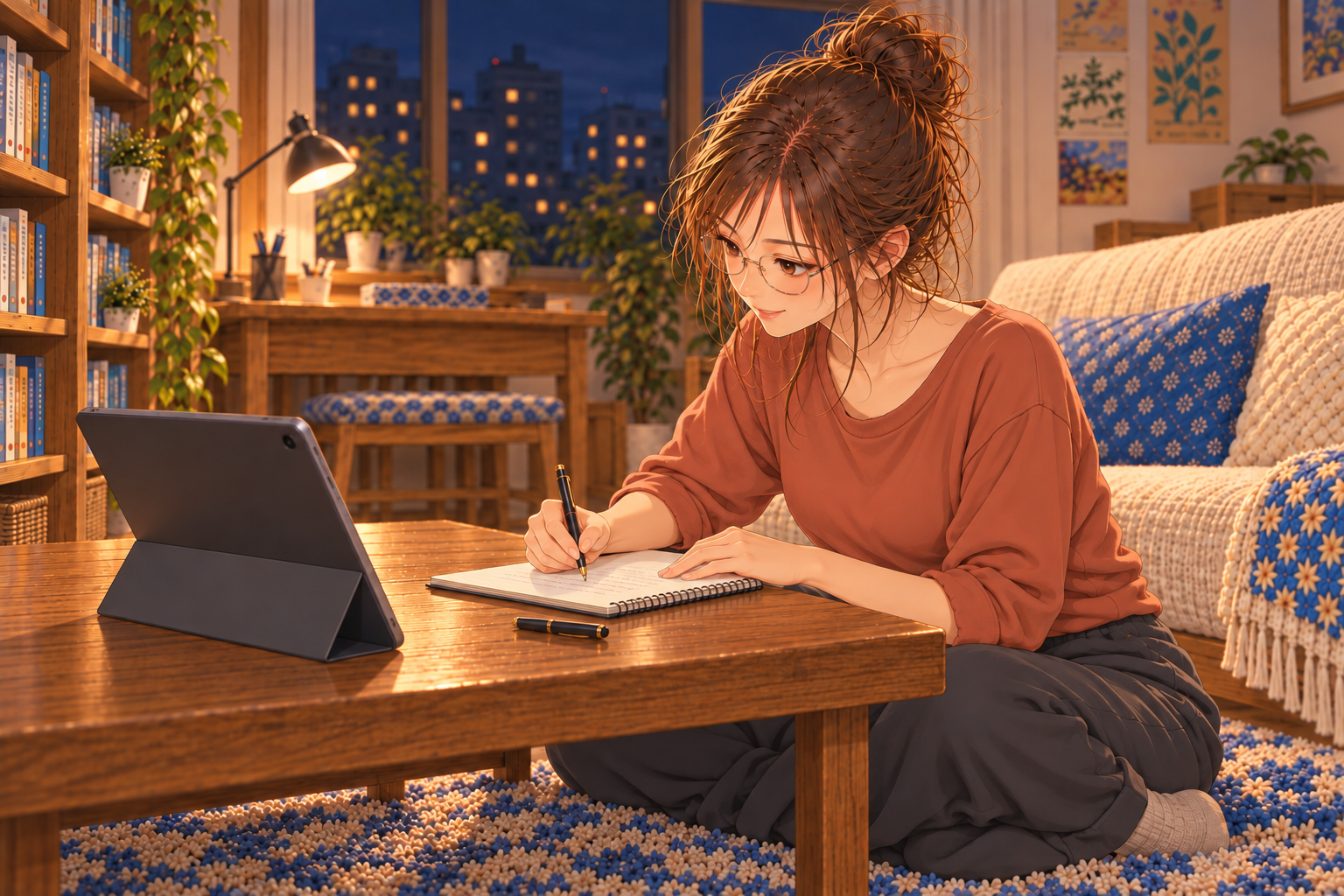
The same left-inside position does not make it the same bout.
It sounded almost obvious. Yet the picture behind those words was different from the one I would have had this morning. Now I wanted to think about the place of the grip, the head, the hips and the feet, as well as the arms.
I put the pen down and imagined the two wrestlers together once more. Rather than rushing to the finish, I stayed for a moment where neither had lost yet. What would change from here? It sounded like the morning’s question, but there was much more inside it now.
Takanohana-seki won that first championship on March 23, 1975. Reading about it had followed me through a Saturday: breakfast dishes, tea after lunch, washing brought inside, and now the evening. I wanted to see these two wrestle more than I had when I first found the result.
Just before closing the notebook, I added a small note in the margin: after looking at the hands, look at both people. Perhaps that would make sense to tomorrow’s me. I closed the tablet, moved it aside, and drank some tea that had cooled a little. I was glad there had been time for a long detour today.