A rectangular box, made by weaving.
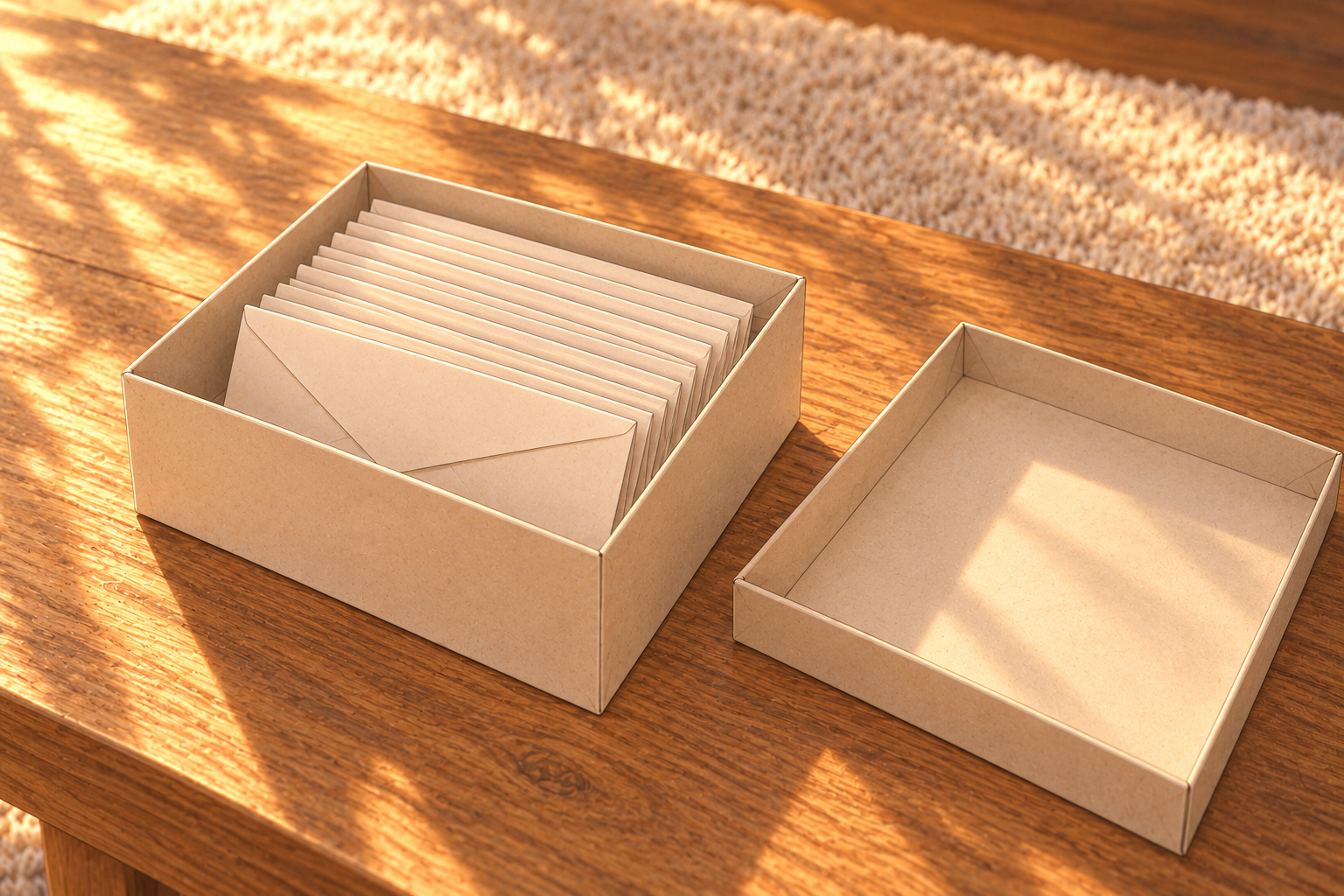
On Thursday evening, I was putting envelopes into a spare box from the shelf. I thought the box might be a little too big, but they fitted neatly sideways. Once I lined up the edges, the scattered papers suddenly looked well behaved.
Before putting on the lid, I pressed a corner with my finger. Folded paper, overlapping and glued together. Usually I pay attention to what goes inside. Looking closely at the corner, I began to notice how the box was made.
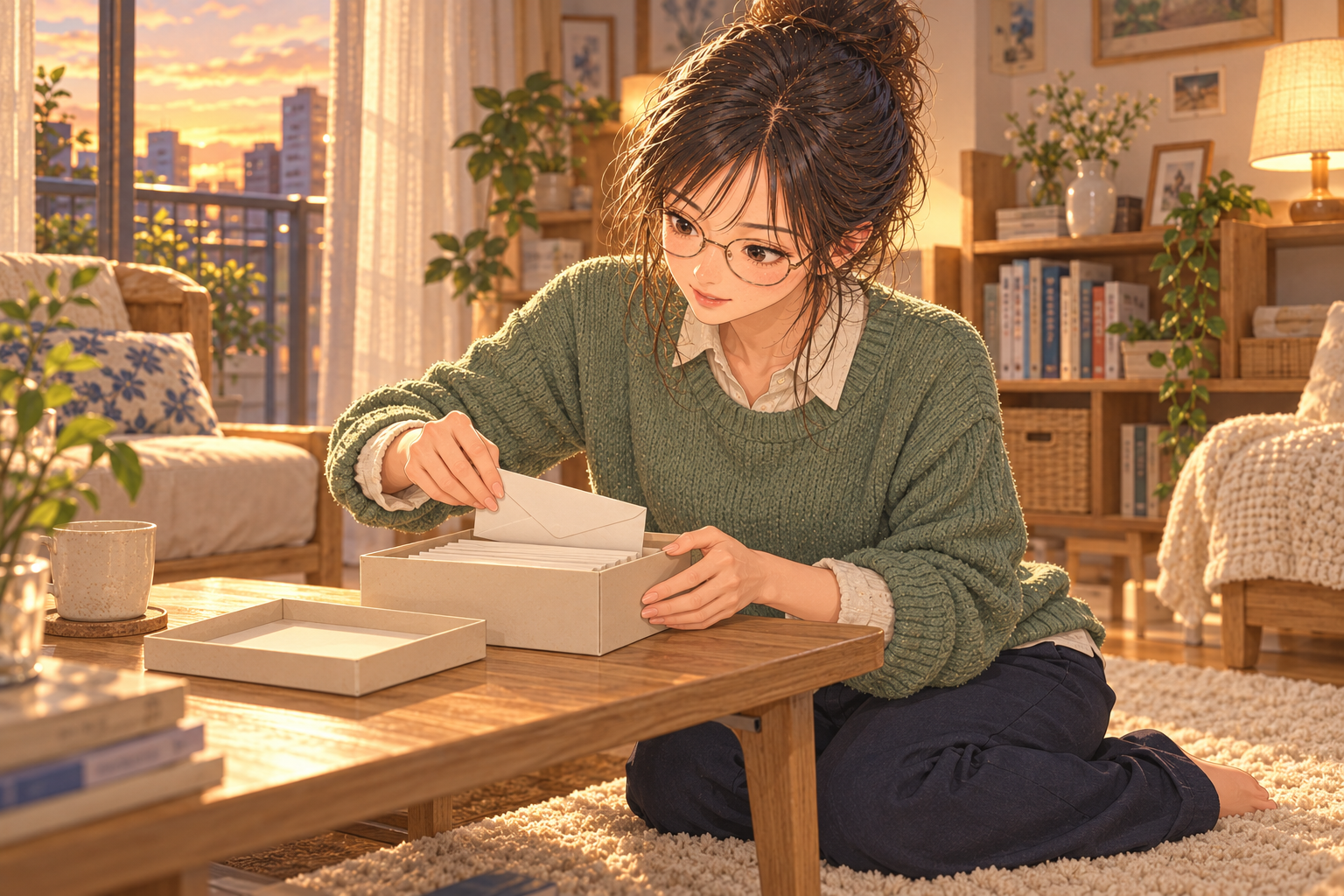
How were the boxes used to carry wrestlers’ equipment made? Something that held a large ceremonial kesho-mawashi must be quite different from my spare cardboard box.
I gathered the envelopes together and set the lid aside. The tidying could wait while I looked this up.
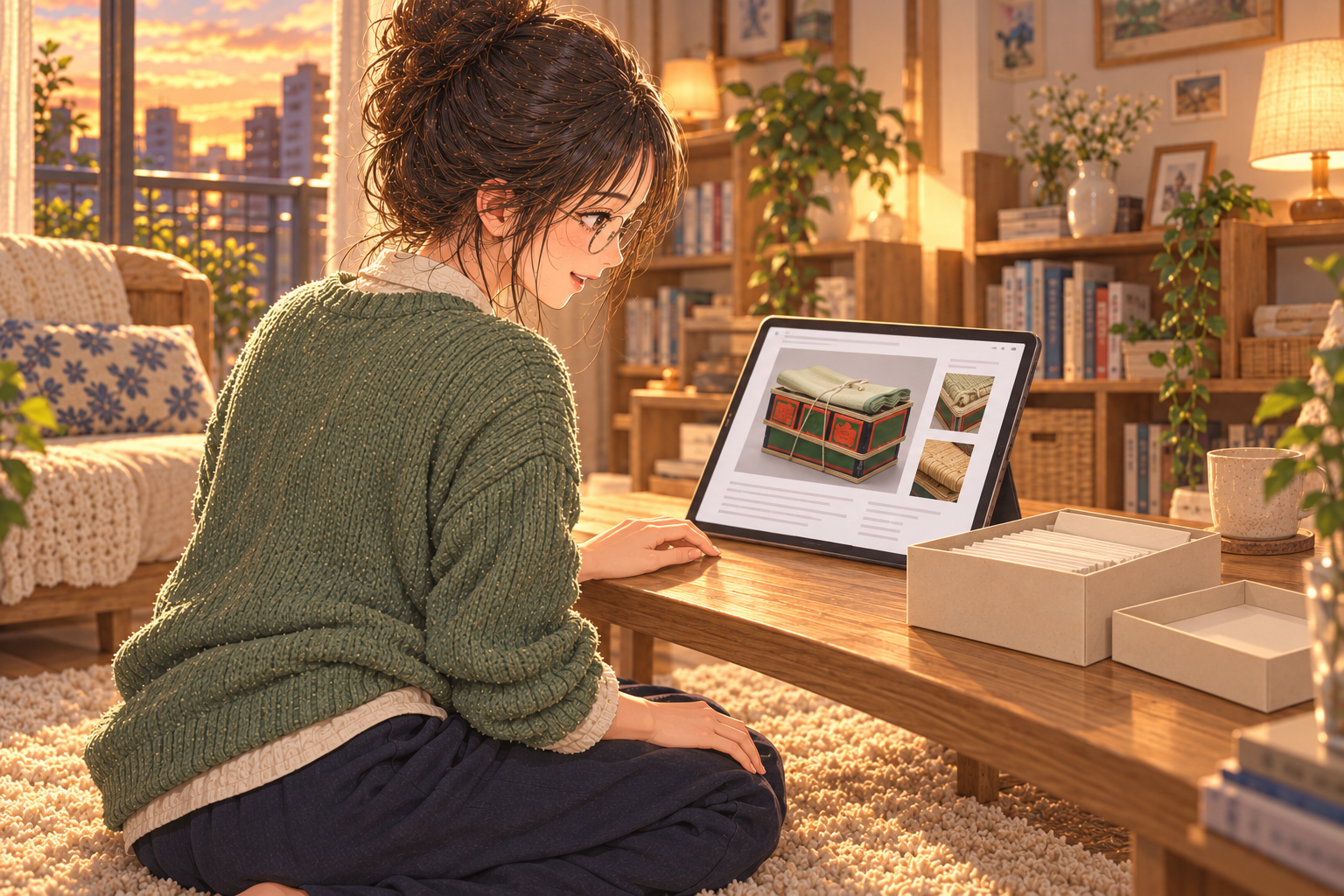
More than wooden boards
The trunks sekitori use to carry their equipment to tournaments and regional tours are called akeni (明荷). The Japan Sumo Association describes them as woven storage chests for things such as competition belts and ceremonial kesho-mawashi.[1]
Then a detail stopped me. A wooden frame, woven bamboo, a covering of washi paper, and lacquer to finish it. I had only imagined wooden boards joined into a rectangle.[1]
Bamboo, paper, lacquer. I tried to separate the layers in my mind, working inward from the surface. Of course, the only box in front of me was cardboard. Reading this didn’t tell me what an akeni would actually feel like. Still, something I had simply thought of as a box had acquired several layers.
One, and then three
Another official explanation discussed the number of trunks. The usual arrangement is one for each sekitori. A yokozuna needs a set of three ceremonial kesho-mawashi for the ring-entering ceremony, so the larger amount of equipment means three akeni.[2]
Three. This wasn’t simply a matter of having an impressive box. More things to carry meant more boxes. The clothes for a ring-entering ceremony had become a question of packing.
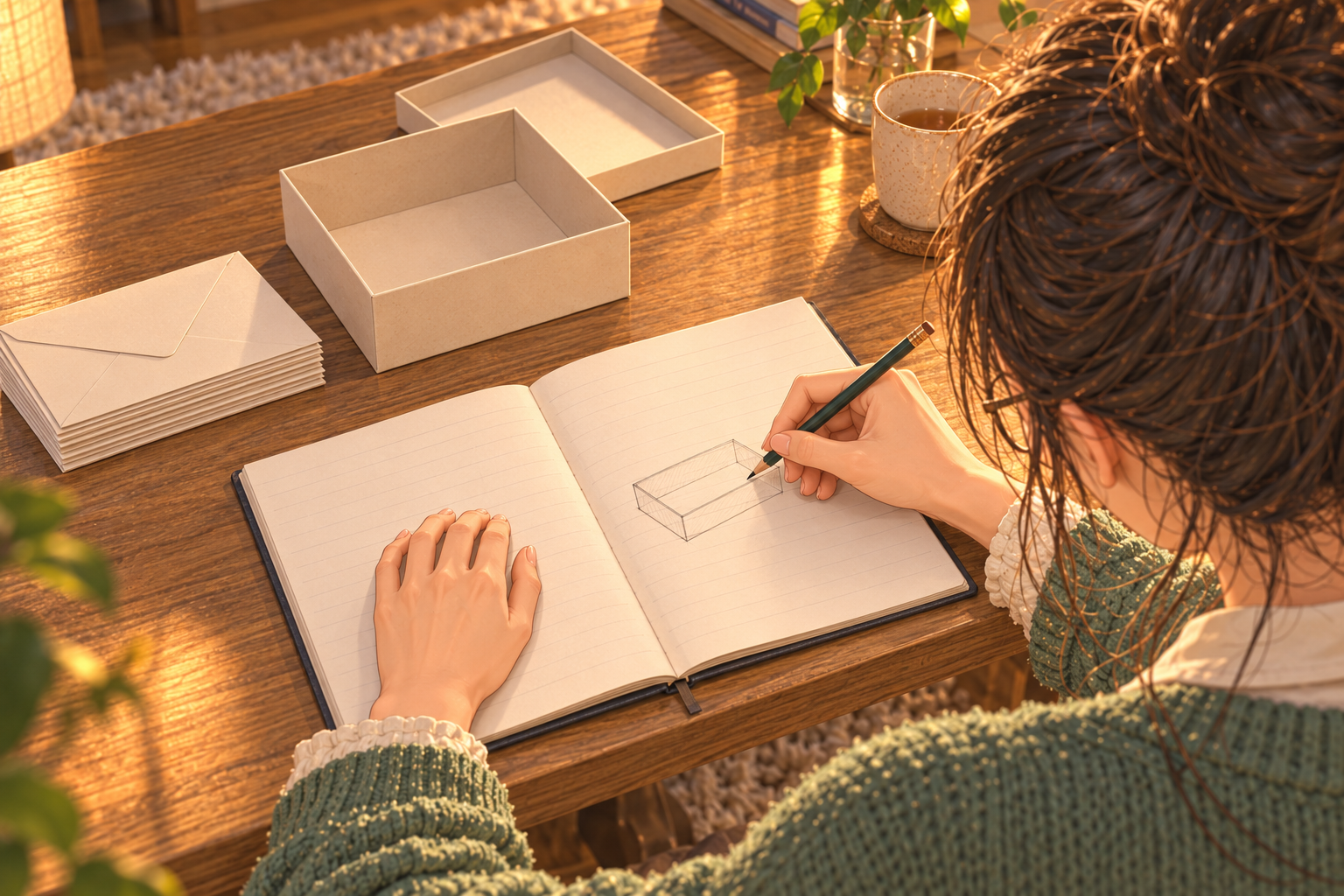
I took the envelopes out for a moment and set the empty box beside me. First, I drew a box in my notebook. I would add the materials in order and the number of trunks afterward. My sketch ended up looking just like the cardboard box. It was a little reminder, not a drawing made from an actual akeni.
The owner’s name on the outside
I also read that the owner’s ring name is painted on the trunk in vermilion. The box holding the equipment announces who it belongs to from the outside. Next time I come across a photograph of an akeni, I think I’ll read the name first, then remember the bamboo beneath the surface.[1]
Back to my own box. I put the envelopes in and replaced the lid. It looked just as it had before. No wrestler’s name needed here. But I should at least decide where to keep it before forgetting what I put inside.
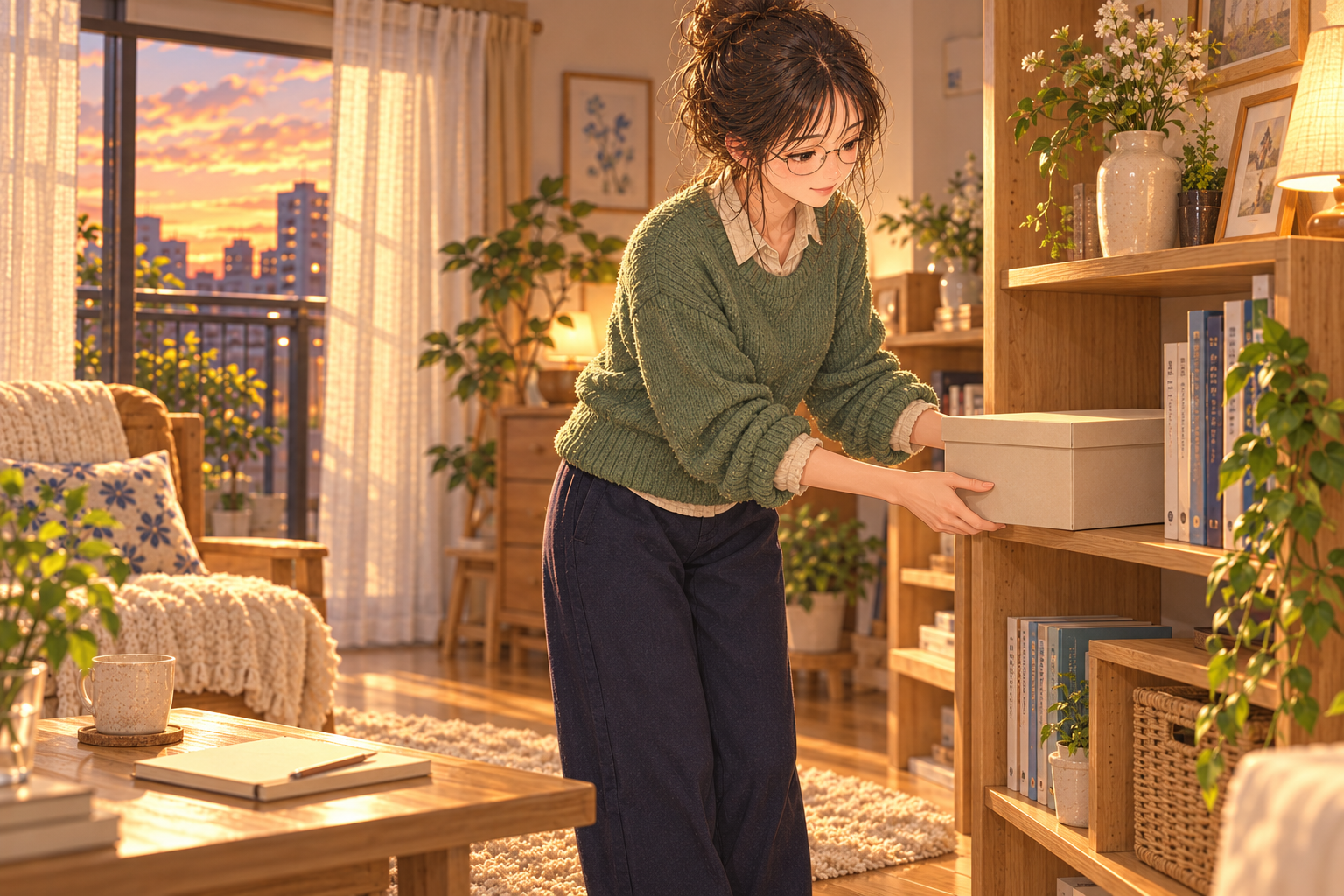
One small box, held in both hands, went onto the front of the shelf. A modest bit of tidying, and a slightly different way of looking at a box.
Shiori