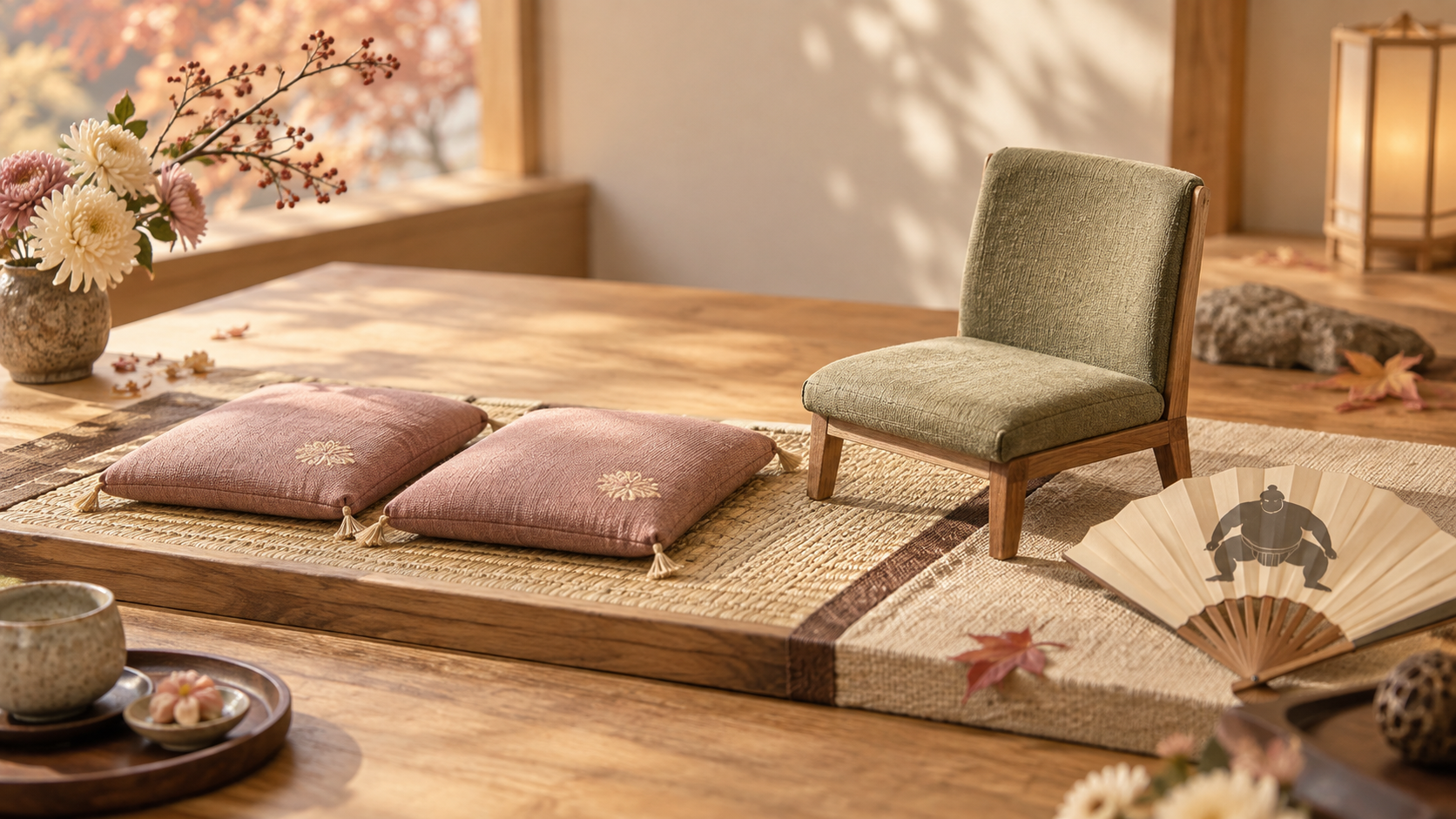
If floor sitting worries you, you are travelling solo, or you expect to leave the seat several times, begin with a chair ticket. Choose masu because your group actively wants the shoes-off, shared-floor-box experience—not because it sounds like an automatic upgrade. Ring distance matters, but the wrong posture can make the final hour feel much longer than the first.
The November 2026 tournament runs from 8 to 22 November at Fukuoka Kokusai Center. As of 5 October, the Japan Sumo Association lists admission tickets as sold out and links to the official face-value resale service. If you are still looking, check the seat category and conditions of the ticket actually offered. A listing or purchase for your preferred date or seat is not guaranteed.
The official price sheet includes chair S–C, masu S–C, easier two-person Masu C and pair table seating. A category appearing on the sheet does not mean it is currently available. Check the purchase unit, capacity, total price and placement in the current description of the ticket offered. The 2024 venue map remains a historical reference, not a confirmed 2026 seating plan.
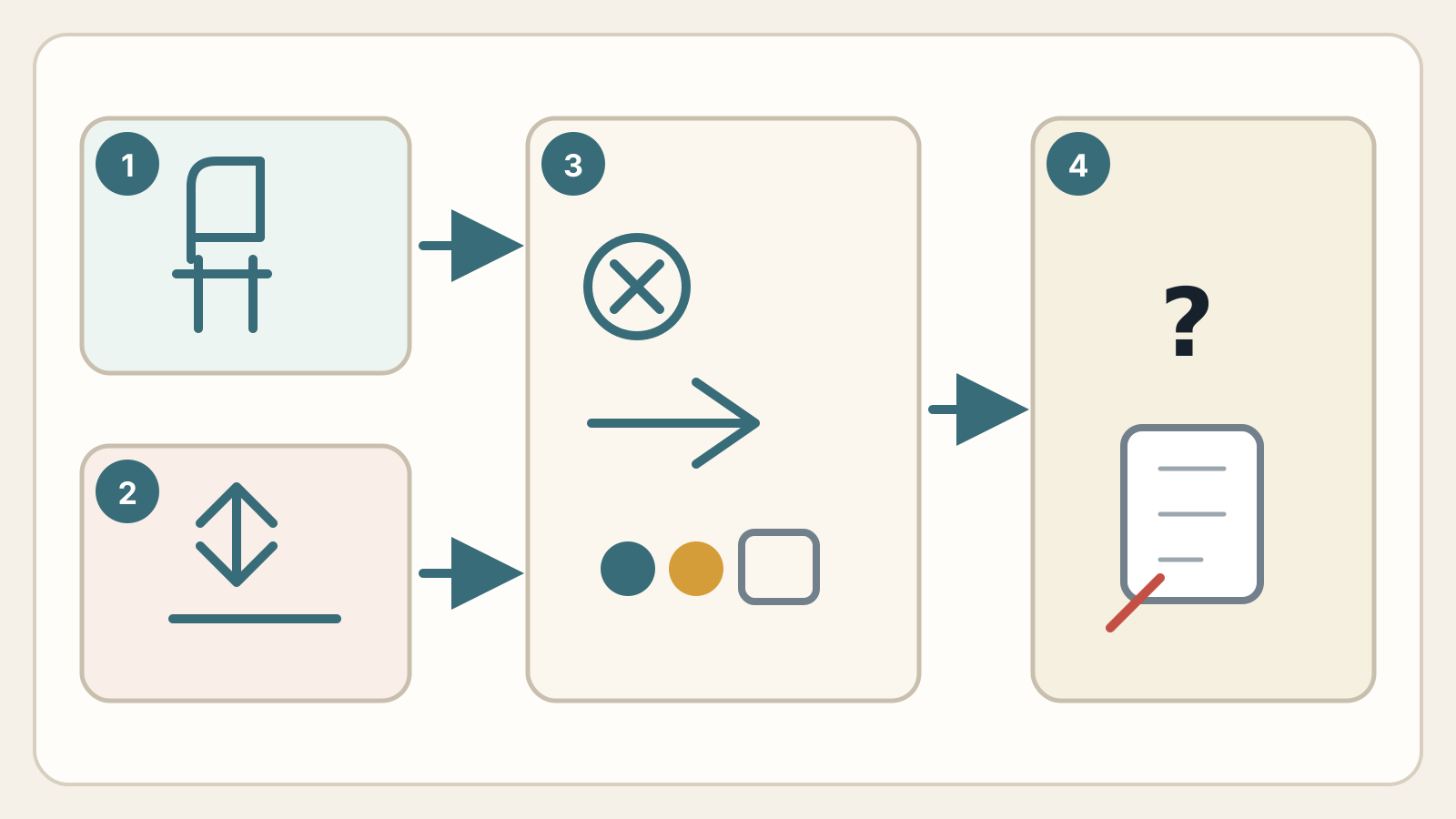
Detailed description of this diagram
A generic chair symbol at upper left and a floor line with up/down arrows below abstract chair and masu candidates; neither is an actual Fukuoka seat. Three central checks ask whether posture can change, whether the visitor may need to leave mid-session, and whether companions and essential items can be managed. A question mark and contact cue on the right mean ask the seller before purchase about unpublished or unresolved dimensions, purchase unit, aisle position, support aid and assistance conditions. The visual promises no body fit, pain outcome, capacity, view, route or on-day seat change.
Graphic: SUMO ARCHAEOLOGY CLUB · Figure source 1 · Figure source 2 · Figure source 3
Four reasons to start with a chair
A chair is the clearest unit for one person. It can also be the better choice for knees, hips or backs that dislike the floor; for a family likely to make restroom breaks; and for anyone who wants to observe the whole arena rather than only the wrestlers’ faces.
Farther away does not mean less interesting. From above, you can notice how a wrestler changes foot width during the shikiri, how the next competitors begin moving as soon as the previous match ends, and how the ring-entrance circle opens and closes. Binoculars can add facial detail, but look once with the naked eye first so you keep the bout in context.
Four reasons to choose masu
Masu can be wonderful when companions want to share one marked area, everyone understands the floor posture, the party can keep bags compact, and people are comfortable negotiating legroom together. It is a social way to watch, not simply a closer view.
Do not work out the total from the price sheet alone; check the purchase unit and capacity of the ticket actually offered.
A masu is not necessarily a Western theatre box with chairs. Confirm the purchase unit, total price and capacity before buying. Names such as “easy two-person Masu C” and “pair table seat” do not prove a backrest, step-free route or aisle position; use the 2026 product description.
Plan for the least flexible person
Do not let the most enthusiastic fan choose for everyone. Base the decision on the companion who has the least tolerance for one posture, is most likely to need a break, or carries the largest essential item. A slightly more distant seat that keeps the group comfortable through the final bout is often the more immersive choice.
Permission and sightline conditions for a particular cushion or seat aid remain unconfirmed in these sources. Do not sell an accessory as the automatic cure for a poor seat match. Check the current rule and compare another official seat category before buying equipment.
Find a different kind of closeness
Once seated, stop measuring the metres to the ring for one bout. Watch only the space between the wrestlers’ feet. See how a pusher keeps one foot alive while advancing, or where a belt fighter resets after drawing the opponent in. That tiny geography can make even an upper-level chair feel unexpectedly close.
When using official resale, check the actual ticket’s purchase unit, capacity, total cost and conditions rather than choosing by seat name alone. Follow the link from the Association’s current ticket page to its official service.
Rehearse more than sitting down
A pre-purchase trial should include more than asking how many minutes you can remain on the floor. In ordinary clothes, sit, cross or uncross the legs, use a side-sitting or knees-up posture, change position, stand from the floor, and take one step without clutching the luggage. This is an editorial self-check, not a medical assessment or a scale model of the venue. Stop if pain, numbness or dizziness appears, and place personal clinical advice above this article.
A solo visitor should test handling shoes, ticket and bag while leaving independently. In a group, do not assume everyone can extend their legs at once; decide who expects more exits and who carries child or care equipment. Fewer occupants do not automatically guarantee spare room, because the sold configuration and actual dimensions still need current confirmation.
On the day before the visit, repeat the choice against the live official ticket description and each person’s current condition. Pack so the ticket phone, shoes and essential care items can be handled without using an aisle as storage, and agree on who leaves with a child or a companion who needs help.
If the body struggles on the day, do not solve it by spreading into another box or aisle. Ask staff what is actually possible and keep early departure as the fallback. A chair also carries unverified dimensions and exit conditions, so “not masu” is not a universal comfort guarantee.
Sources
- Japan Sumo Association, Fukuoka admission price sheet and November 2026 ticket page; checked October 5, 2026.
- Ticket Oosumo, official face-value resale service guide; checked October 5, 2026.
- Japan Sumo Association, November 2024 seating map; historical layout reference only, not used as a 2026 seating promise.
Source links used for verification
Each link was used for the corresponding claim in this article; inclusion is not a blanket endorsement of the whole page.
Article verified:
- Japan Sumo Association Fukuoka admission pricesPrimary source (as checked for this article)
- November 2026 Fukuoka ticket informationPrimary source (as checked for this article)
- November 2024 Fukuoka venue seating mapHistorical primary source (record from that period)