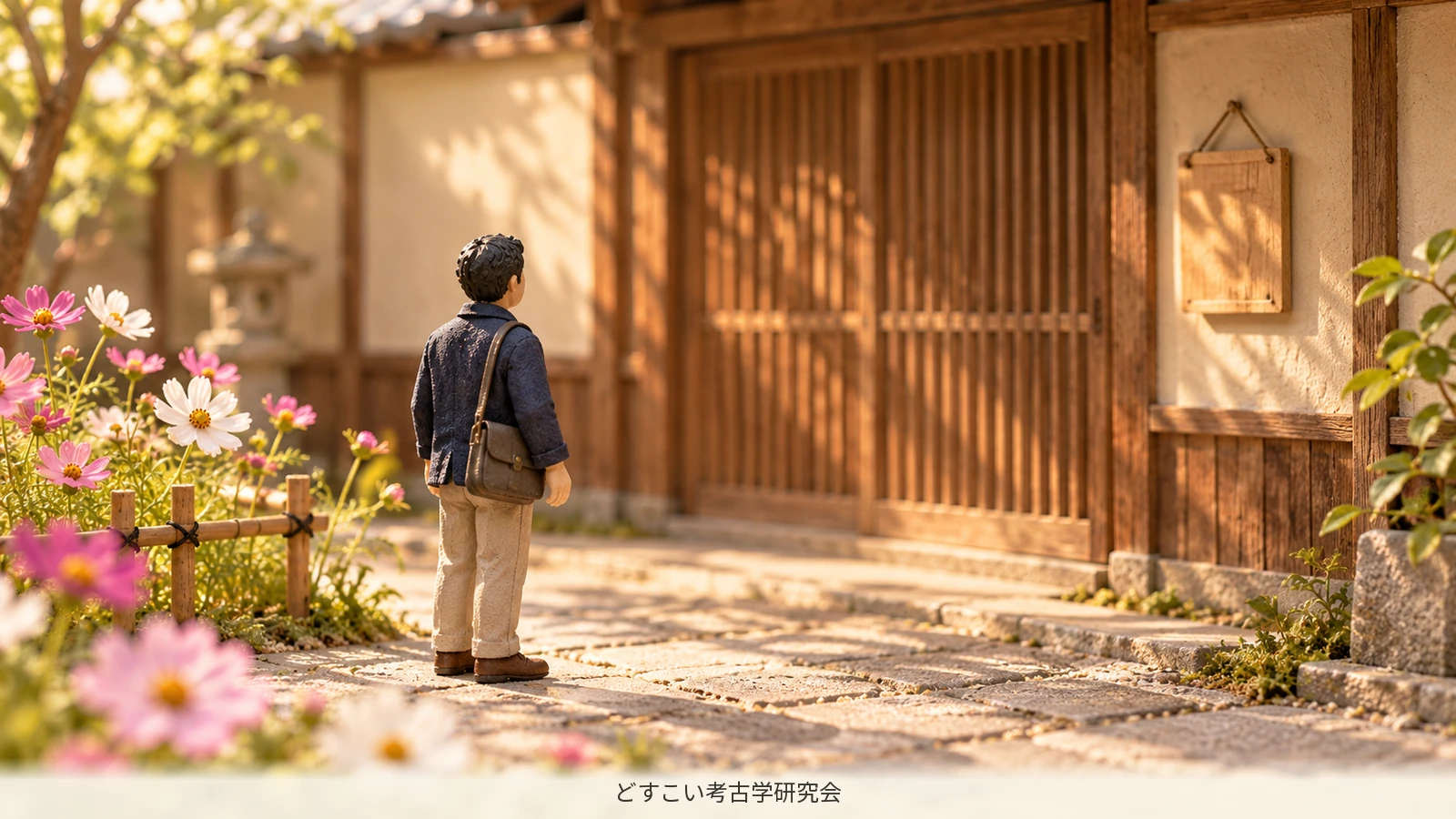
The Japan Sumo Association directory establishes an address and affiliated people; it does not itself grant public entry. Do not treat a sign or open doorway as permission. Remain in public space, keep the entrance clear, and attend practice only through a method the stable or an official channel currently publishes or confirms. Whether a particular building includes private living space, and what is open that day, are not established by the directory alone.
The excitement is real: a name seen on the banzuke suddenly has a street and a building. That is precisely the moment to stop before taking one step too many. Care for sumo is expressed not only by getting close, but by protecting the distance in which tomorrow’s training and ordinary life can continue.
Use the official stable directory
The Japan Sumo Association maintains pages listing each stable’s address, master and affiliated people. Names, locations and affiliations can change, so do not navigate only from an old blog or saved map pin. Recheck the official page before the walk.
A stable name, the elder name used by its master and the shikona of a wrestler are not interchangeable labels. If the sign does not display the wrestler’s name you remember, that does not make it the wrong building. Read the official page by separating the organisation from the people currently affiliated with it.
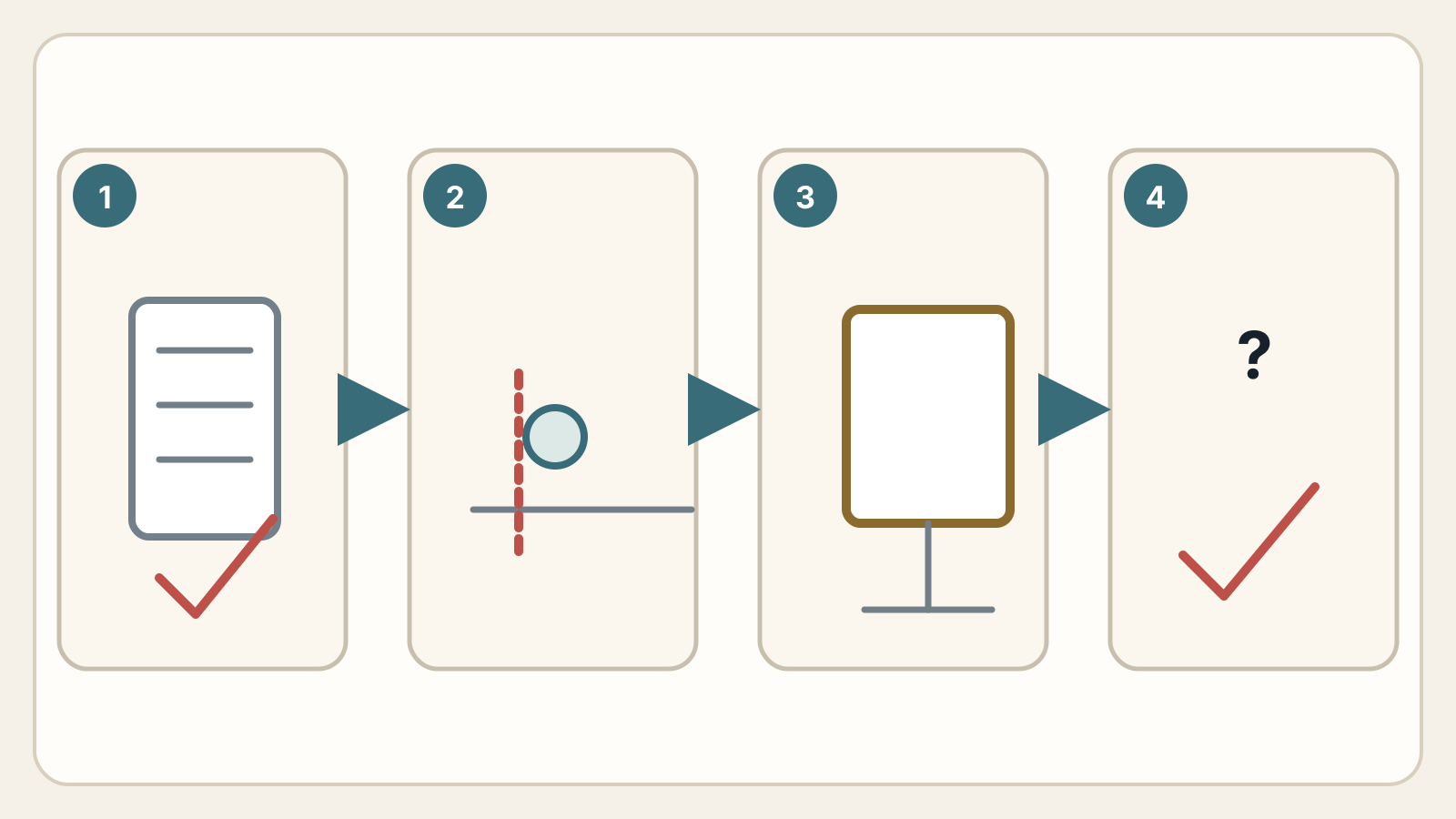
Detailed description of this diagram
Four cards run left to right. Card 1 is a blank directory with a check. Card 2 keeps an observation dot outside an abstract boundary. Card 3 is an unlettered sign token without a crest or logo. Card 4 contains a question mark and check, separating permission from identification. Arrows encode a review order, not a walking route. The diagram does not turn a listed address or visible sign into permission to enter, wait, photograph people or watch practice. It reproduces no stable name, typography, logo, facade, entrance, street, distance or camera position.
Graphic: SUMO ARCHAEOLOGY CLUB · Figure source 1 · Figure source 2
A sign is not an invitation
A building sign identifies the premises. It is not a “visitors welcome” notice. An open door, the sound of practice or another person standing nearby does not establish permission to enter, watch or photograph. For morning practice, follow only a current instruction or reservation route published or confirmed by the stable.
The current September tournament guidance asks spectators not to wait around the arena for wrestlers arriving or departing. That venue notice does not establish every rule outside a stable. As an editorial safety measure, do not ring a bell to satisfy curiosity, peer through windows, follow people entering or leaving, or place bags near a doorway; keep ordinary access unobstructed.
Treat a tourism route as a route past, not access inside
The Sumida Tourism Association’s Ryogoku Hokusai walk includes the frontage of sumo stables among gardens, parks and cultural sites. That helps place the stable within the neighbourhood’s history. It does not state that the interior is open.
If walking independently, observe from a part of the public pavement where you do not block residents or traffic. One legible sign is a complete discovery. This need not become a collection exercise in which every stable address is checked off during one crowded morning.
A photograph can capture private life
Even a photograph intended to show only a sign may include a doorway, window, vehicle, passer-by or stable member. Follow any no-photography notice and staff instruction. Avoid identifiable faces and private routines. Before posting, consider whether location and time metadata could help strangers track somebody’s daily movements.
Not taking a photograph is a meaningful option. Remember the lettering, material or sound of the street, then read the official stable page later. Memory joined to a primary source can become a deeper record than an image that consumes an uninvolved person’s privacy.
Return from the sign to one wrestler
After the walk, do not try to memorise the entire roster. Choose one affiliated wrestler from the official banzuke or profile. In the next bout, connect the shikona and stable, then watch one physical choice: the first step, an inside grip or a recovery at the edge.
The modest street sign has now become a path back to the dohyo. You did not need to cross a threshold to make the stable feel more real. By leaving the entrance clear, you also helped preserve the ordinary conditions in which the sumo you hope to watch is made.
Keep More Than One Interpretation Open
We separate what the official or collection source establishes from our observation. A ritual, object or posture may have another interpretation or theory across periods, regions and explainers. When primary evidence does not establish a single origin or meaning, we leave it unknown or contested rather than turn visual resemblance into historical fact.
Sources
- Japan Sumo Association, stable directory, Arashio stable page and September 2026 spectator guidance; Sumida Tourism Association, Ryogoku Hokusai walking route (checked 3 September 2026).
Source links used for verification
Each link was used for the corresponding claim in this article; inclusion is not a blanket endorsement of the whole page.
Article verified:
- Japan Sumo Association stable directoryPrimary source (as checked for this article)
- Japan Sumo Association Arashio stable pagePrimary source (as checked for this article)
- Sumida Tourism Association Ryogoku Hokusai walking routePrimary source (as checked for this article)
- Japan Sumo Association September 2026 spectator guidancePrimary source (as checked for this article)